Swim through crystal-clear waters above vibrant coral reefs, encounter sea turtles and the legendary dugong, and discover why Mantanani Island is Borneo's best-kept underwater secret.
About the Island
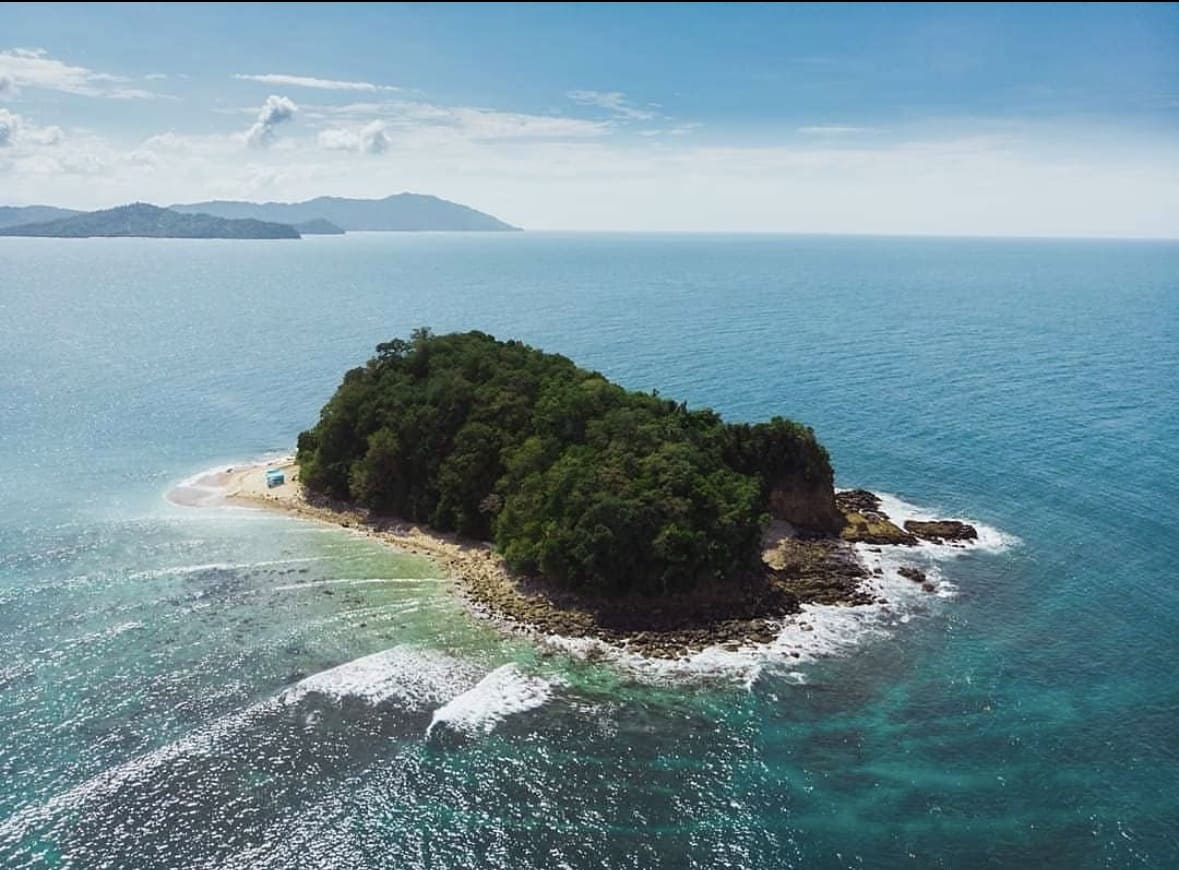
Mantanani Island (Pulau Mantanani) is a group of three pristine islands off the northwest coast of Sabah, Malaysia — approximately 80 km from Kota Kinabalu. Still largely unknown to mainstream tourism, Mantanani Island has become a legend among divers, snorkellers, and anyone craving a genuine tropical escape far from the crowds. This is the Mermaid Island of Borneo — and once you have seen its waters, you will understand exactly why.
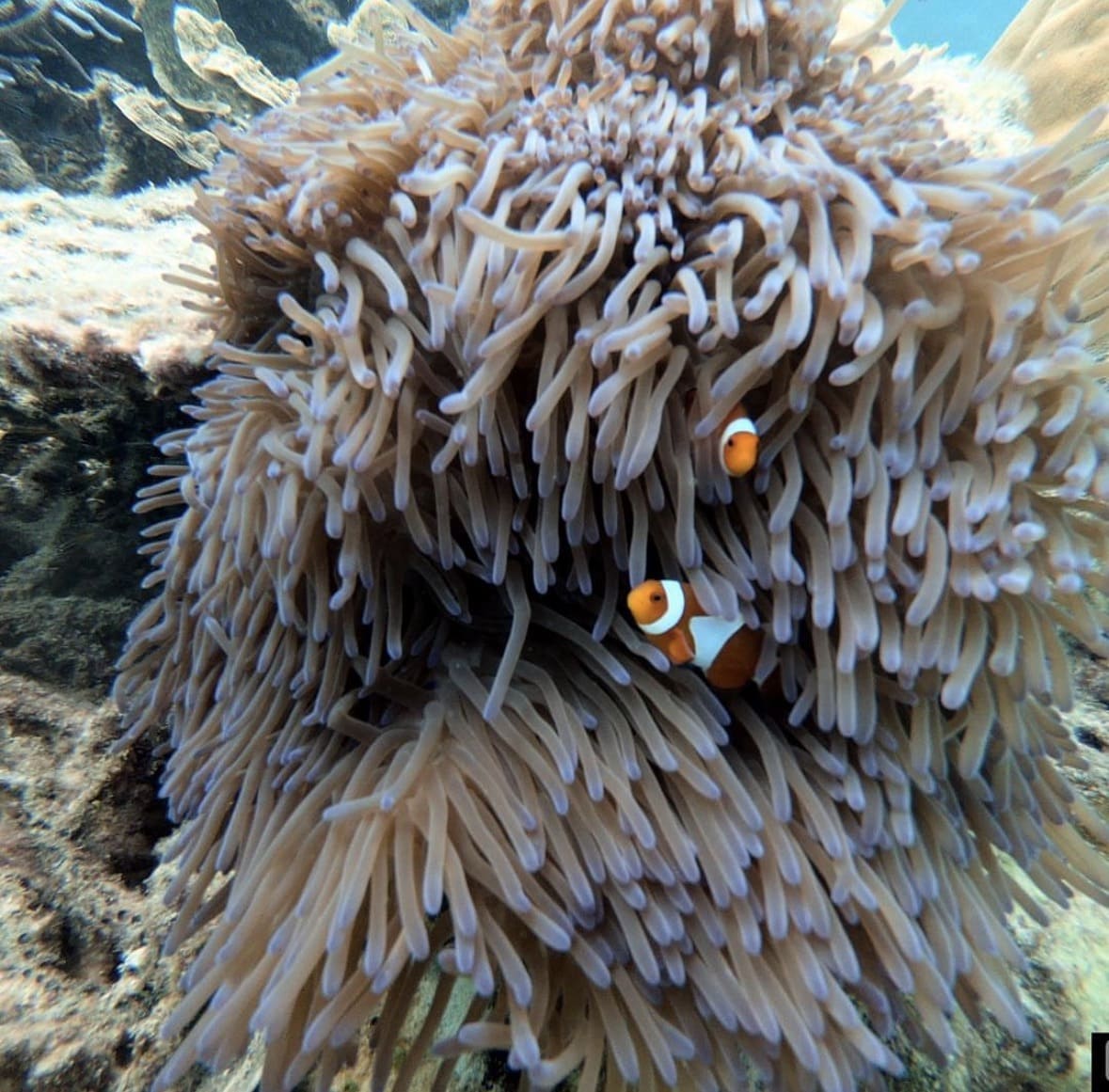
The Mantanani Islands are made up of three distinct islands: Mantanani Besar (Big Mantanani), Mantanani Kecil (Small Mantanani), and tiny Lungisan. Together they form one of Sabah's most spectacular marine ecosystems — a place where the sea is so clear you can see the coral from the surface, and where marine life thrives in numbers that would make any marine biologist weep with joy.
What truly sets Mantanani Island apart is its legendary connection to the dugong — the gentle, slow-moving sea cow that inspired centuries of mermaid myths among the indigenous Ubian fishermen who have called these waters home for generations. The island is affectionately known across Borneo as the Mermaid Island, and that name carries centuries of folklore, wonder, and deep respect for the ocean that continues to this day.
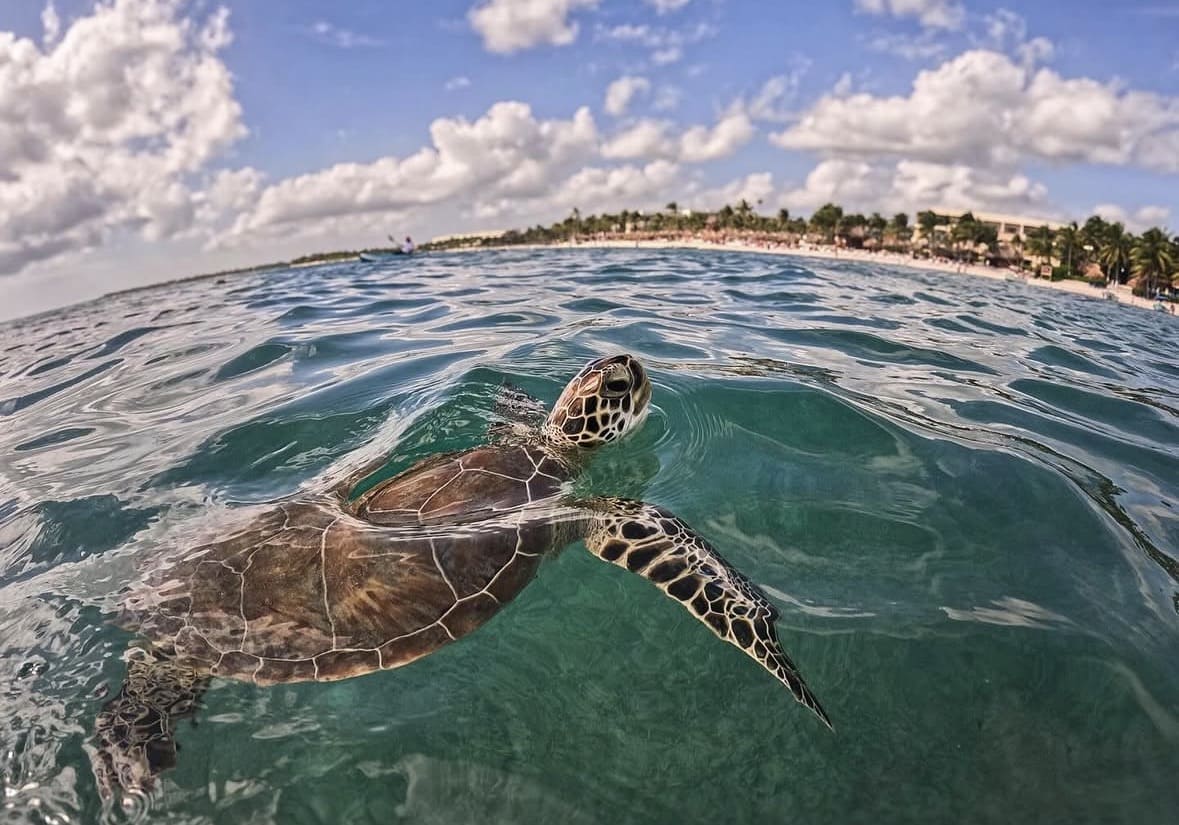
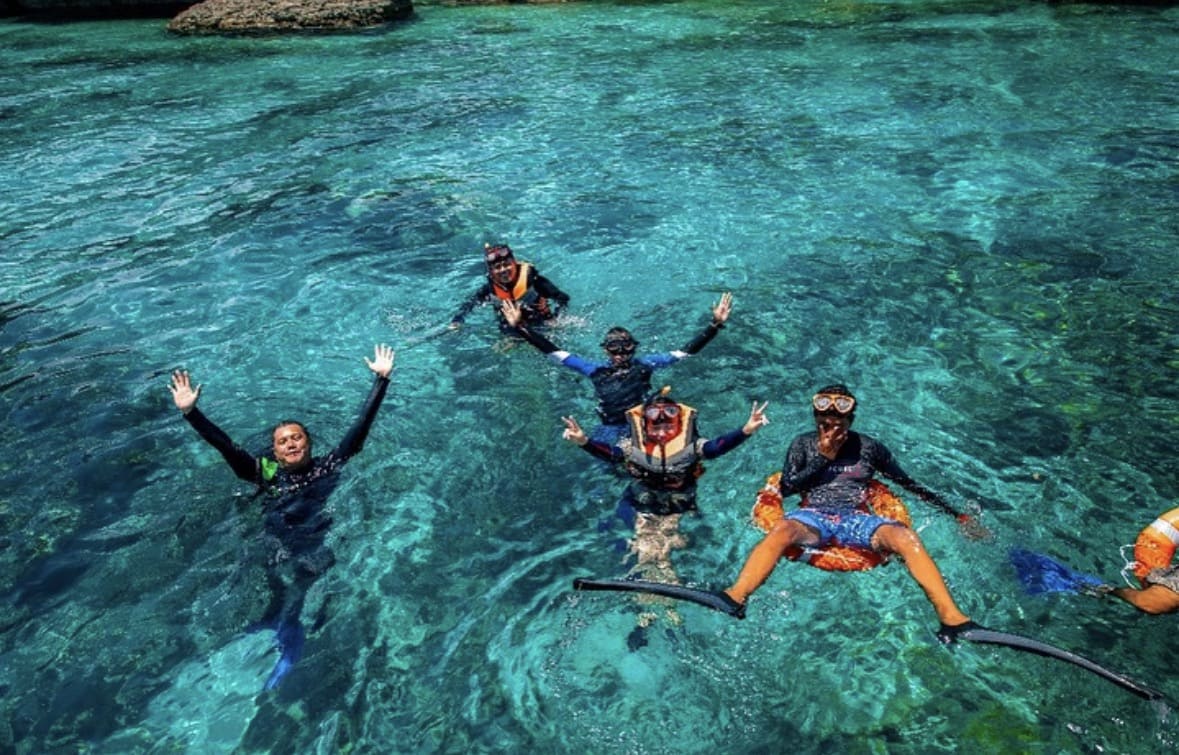
For snorkellers, the shallow reefs around Mantanani Kecil are extraordinary — teeming with clownfish, parrotfish, sea turtles, blue-spotted rays, and vivid coral gardens that rival anything you would find in the Coral Triangle. For divers, Mantanani Island offers over 20 dive sites including three World War II wrecks resting on the seafloor, now transformed into artificial reefs that host an astonishing variety of macro life.
On land, the island is equally captivating. The community of Mantanani Besar comprises approximately 1,000 Bajau people — one of the most skilled sea-faring communities in all of Southeast Asia — whose warmth and hospitality make every visitor feel genuinely welcome. There are no roads, no cars, and no ATMs. The pace of life here is dictated entirely by the tides, and that is precisely the point.
The Tour
The Mantanani Island snorkeling day trip is the most popular and convenient way to experience the island. Here is exactly what your Mantanani Island tour includes and what the day looks like from start to finish.
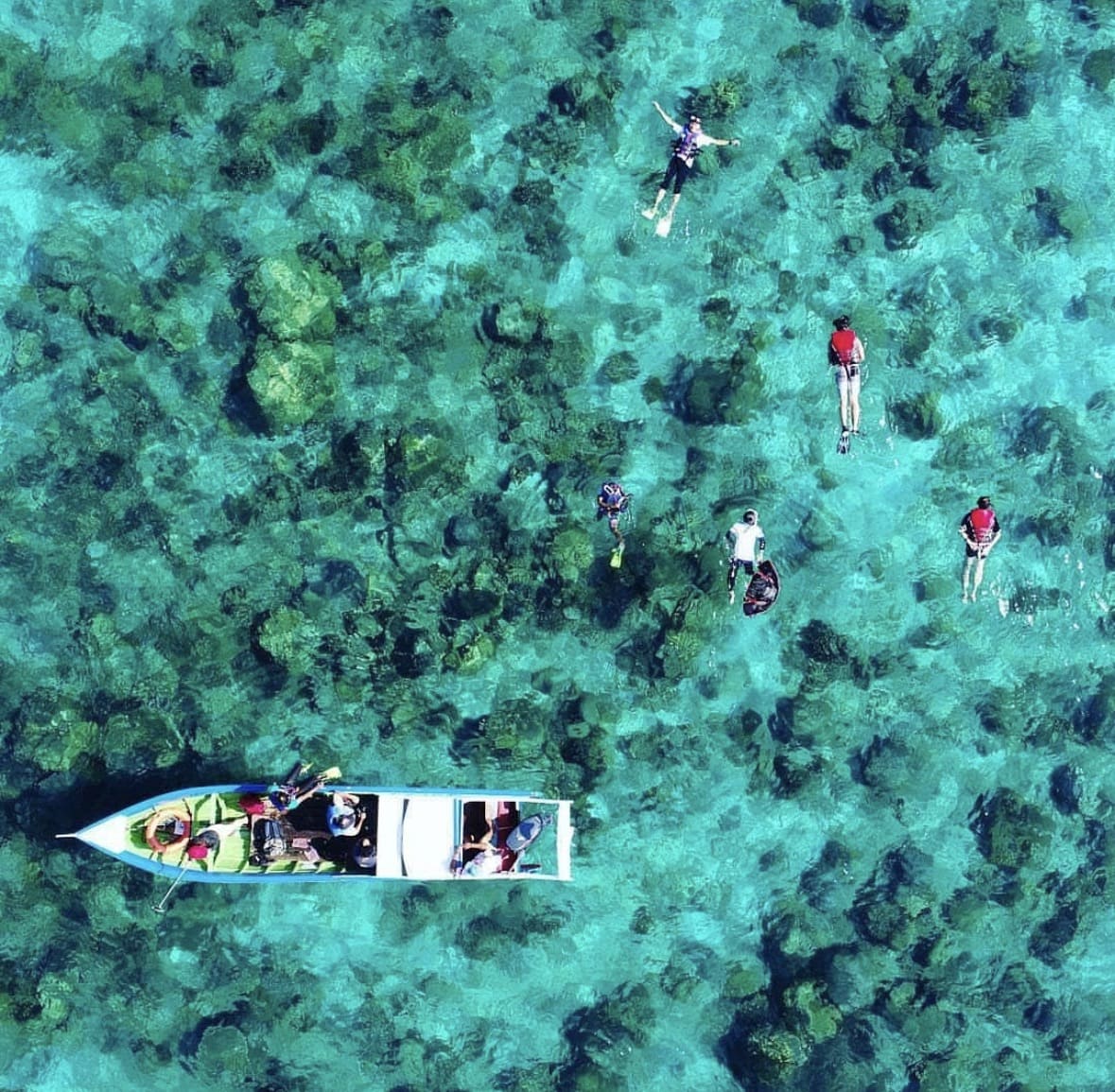
Your Mantanani Island package begins with hotel pickup from Kota Kinabalu at around 7:00 AM, followed by a scenic 1.5-hour drive through Sabah's countryside — with Mount Kinabalu visible on the horizon on clear mornings and paddy fields stretching out across the valley floor. At Kota Belud, you board a speedboat for the 45–60 minute crossing to Mantanani Island Besar, cutting through turquoise water as the mainland recedes behind you. Once on the island, you enjoy two guided snorkeling sessions at the best reef spots around Mantanani Island — your guide knows every coral formation, every turtle resting spot, and every aggregation of reef fish. Between sessions, a generous buffet lunch is served on the island. After lunch, you have free time to kayak, stand-up paddle, take a transparent kayak out over the reef, or simply stretch out on one of the most beautiful white sand beaches in all of Borneo and let the sound of the waves do the rest. The entire Mantanani Island snorkeling day trip is handled by qualified local guides whose knowledge of the reef is genuinely unmatched.
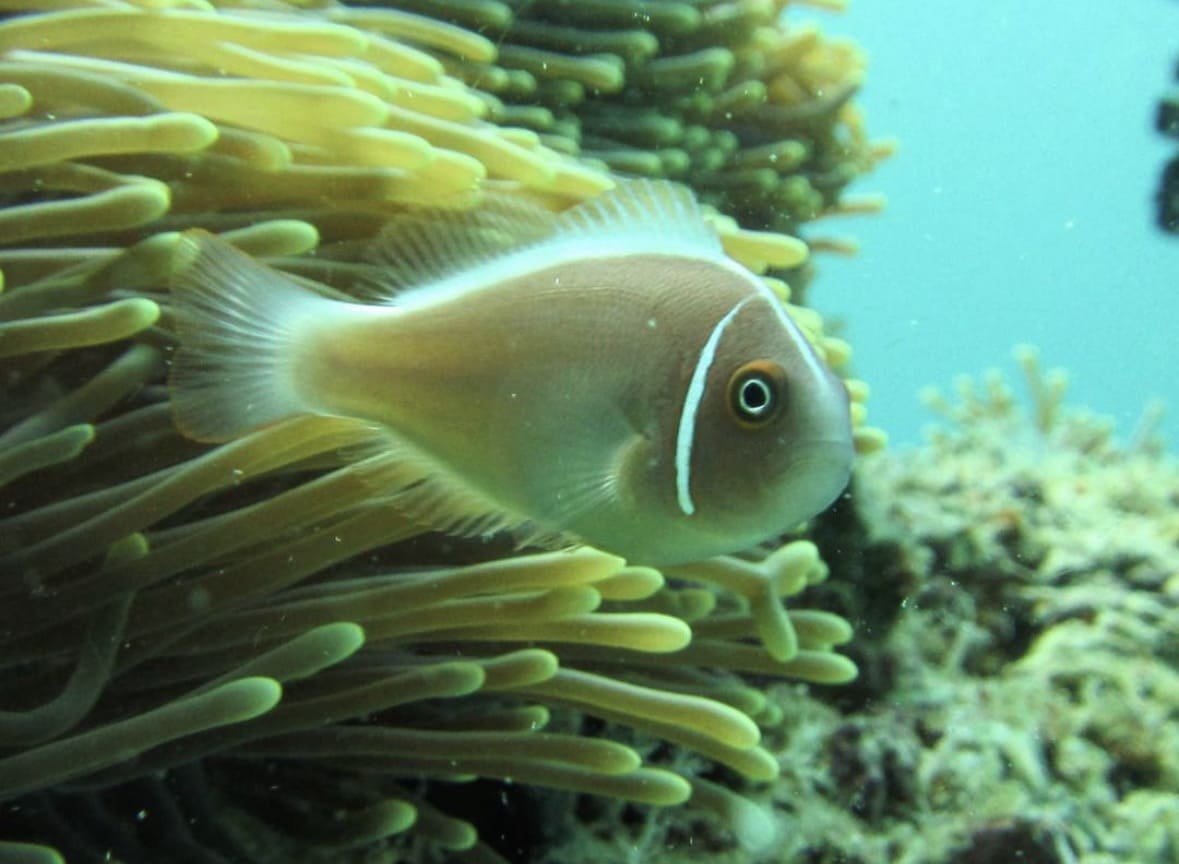
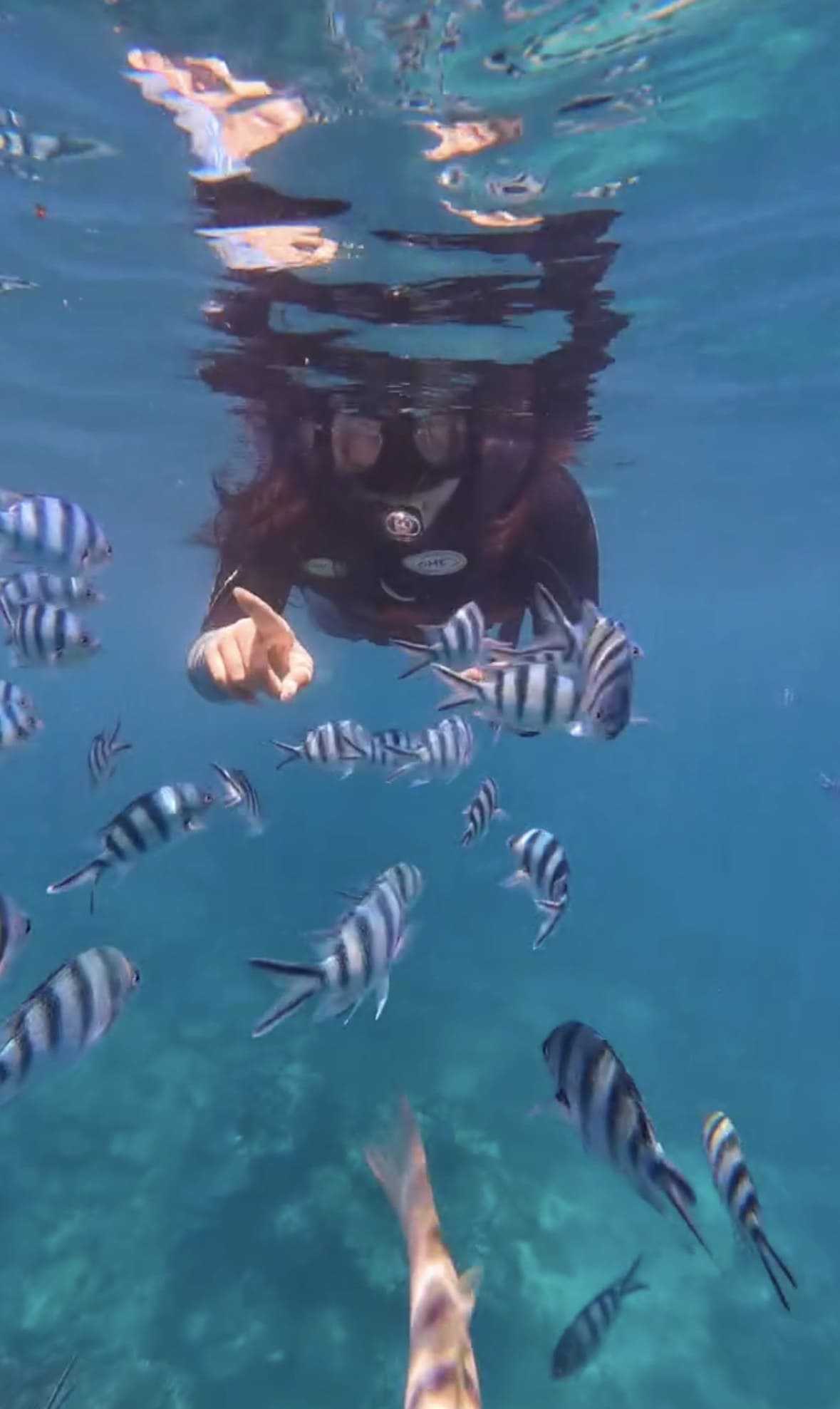
Book NowThe underwater world of Mantanani Island is extraordinary even by Southeast Asian standards. On a typical Mantanani Island snorkeling session you can expect to encounter clownfish nestled in waving sea anemones, vivid parrotfish crunching on coral, blue-spotted stingrays resting on the sandy bottom, schools of sergeant major fish darting in silver clouds, and — if fortune is on your side — a green sea turtle lazily cruising the outer reef. The most celebrated Mantanani Island snorkeling spot is around Mantanani Kecil, where coral density is highest and the water retains that particular shade of turquoise that makes every photo look like a postcard. Your Mantanani Island package includes two separate sessions at different sites, maximising your chances of seeing a wide variety of species.
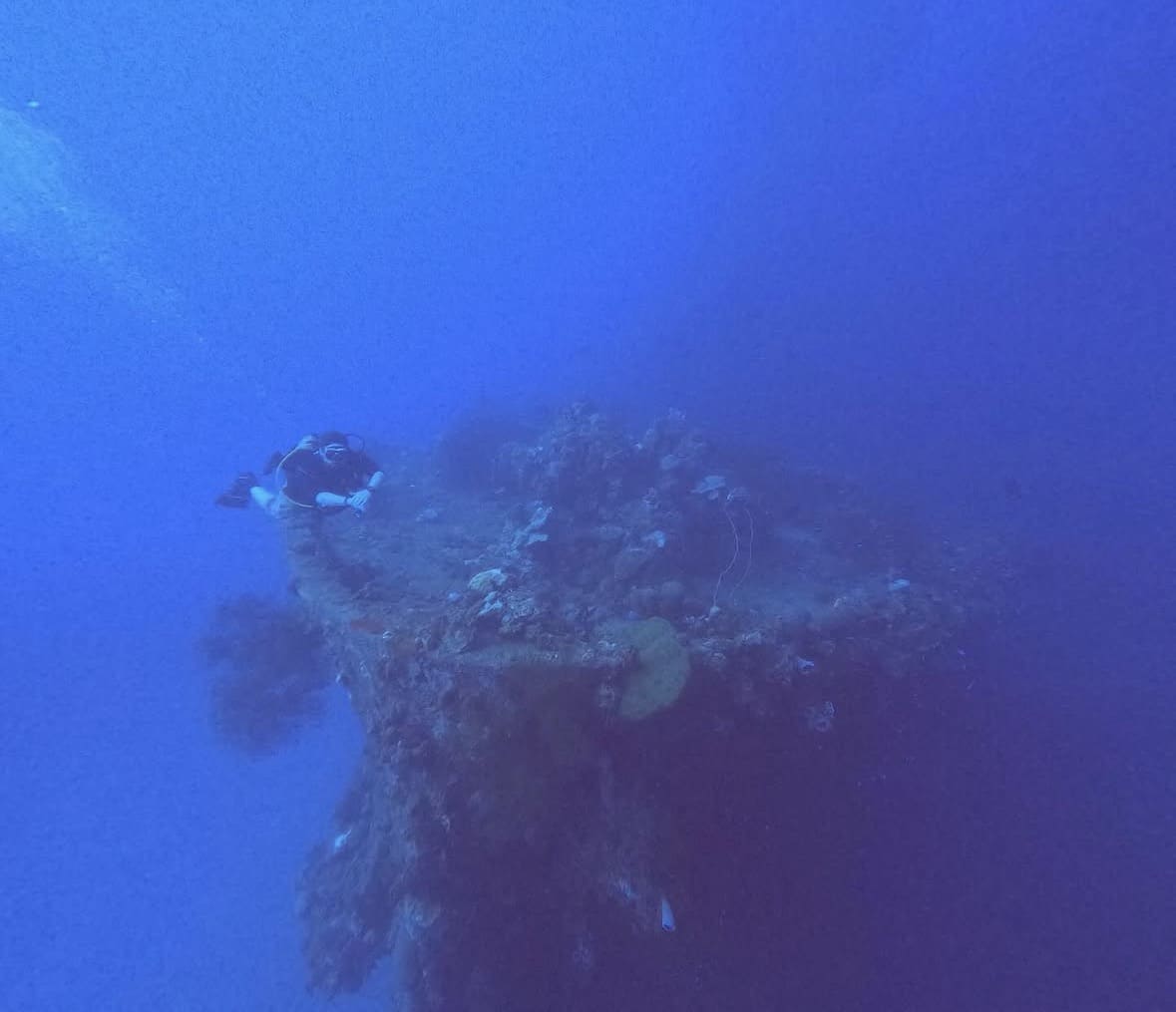
Mantanani Island diving is a category apart. With over 20 dive sites around the three islands, the Mantanani Island diving scene caters for every level — from beginners doing their first discover-scuba experience on the shallow house reef, to experienced divers exploring the extraordinary World War II wrecks on the seabed. The Usukan Wreck, Rice Bowl Wreck, and Upside-Down Wreck are three Japanese naval vessels sunk by Allied forces during the occupation of Borneo, now home to some of the most spectacular marine life in all of Borneo — lionfish, scorpionfish, octopus, glassfish, and enormous coral formations. For muck-diving enthusiasts, Mantanani Island is genuinely world-class, with regular sightings of ribbon eels, seahorses, ghost pipefish, imperial shrimps, and the blue-ringed octopus. Certified divers can add a scuba session to their Mantanani Island tour.
Ready for your Mantanani Island snorkeling day trip? Secure your spot — spaces fill fast especially during July and August peak season.
Book NowSee It For Yourself
Before you book your Mantanani Island tour, take a look at what awaits beneath the surface — crystal waters, vibrant reefs, and the magic that makes this island impossible to forget.
Complete Travel Guide
Everything you need to know before visiting — from how to get to Mantanani Island and what to bring, to the best time to visit and what to do once you arrive.
Getting to Mantanani Island is entirely straightforward when you book a day trip package — the operator handles every transfer so you never need to worry about logistics. Here is exactly how to get to Mantanani Island step by step.
Your Mantanani Island tour begins with hotel pickup from Kota Kinabalu at around 7:00 AM. A comfortable air-conditioned van collects you from your hotel lobby and begins the 1.5-hour drive north through Sabah's countryside toward Kota Belud. The scenery along the way is genuinely spectacular — rolling paddy fields, traditional Bajau villages, and on clear mornings, the dramatic silhouette of Mount Kinabalu rising to the east. This drive alone is worth savouring.
Upon arriving at the jetty in Kota Belud — typically Kuala Abai Jetty or Rampayan Jetty depending on your operator — you board a speedboat for the 45 to 60 minute crossing to Mantanani Besar. On calm days it is exhilarating; on choppier days it can be bumpy. If you are prone to motion sickness, take a tablet before boarding. The road to Kota Belud is also hilly and winding, so the same advice applies for the drive.
On arrival at Mantanani Island, you receive a full safety briefing before heading out to the reef. Note that different tour operators use different jetties — confirm your exact arrival point when your operator contacts you the evening before your Mantanani Island tour.
Packing correctly makes the difference between a perfect Mantanani Island day trip and an uncomfortable one. The island has no shops, no ATMs, and no convenience stores — what you bring from Kota Kinabalu is all you will have. Here is the complete packing list for your Mantanani Island snorkeling tour.
Snorkeling equipment including mask, fins, and snorkel is included in your Mantanani Island package. Lockers are available for rent on the island at approximately RM30 per locker to store dry items while you are in the water.
Mantanani Island can technically be visited year-round — Sabah does not experience an extreme monsoon season the way peninsular Malaysia does. However, the best time to visit Mantanani Island is unquestionably during the dry season, which runs from March to October.
During the dry season, the sea is calm, underwater visibility regularly exceeds 15 to 20 metres, and your Mantanani Island day trip is virtually guaranteed to run without weather-related cancellation. The snorkeling conditions during these months are at their absolute best — clear water, minimal current, and maximum marine activity on the reef.
Peak season — July and August — sees the highest visitor numbers. The island is busier and operators sometimes apply a peak season surcharge of around RM30 per adult. If you plan to visit during these months, book your Mantanani Island package well in advance as spaces fill quickly and availability becomes limited.
September to October is particularly interesting for dugong enthusiasts. Past research suggests these months coincide with the dugong's mating season, making sightings marginally more frequent. The sea remains calm and visitor numbers begin to ease off after the August peak — making this arguably the ideal window for a Mantanani Island tour.
November to February brings heavier rainfall and rougher sea conditions. Mantanani Island tours still operate but are more likely to be cancelled or reduced in scope if conditions deteriorate. If you are visiting Sabah during these months, build flexibility into your schedule and always have a backup plan.
Jellyfish season on Mantanani Island typically peaks in March and April. Stings can be extremely painful. Always wear a rash guard during snorkeling and check with your guide about current jellyfish activity before entering the water.
Mantanani Island activities extend well beyond the two guided snorkeling sessions included in your day trip package. Here is a full breakdown of what to do in Mantanani Island — whether you are here for a day or staying overnight.
Mantanani Island Snorkeling is the headline experience — two guided sessions at different reef sites with full equipment included in your package. The guides know exactly where to find sea turtles, blue-spotted stingrays, and the densest coral formations around the island. The first session typically takes place at the house reef around Mantanani Besar, while the second ventures out to the richer waters around Mantanani Kecil. Even experienced snorkellers who have explored reefs across Thailand, Bali, and the Philippines consistently rate the Mantanani Island snorkeling as exceptional. The coral density is remarkable, the water is consistently clear, and the marine life density is among the highest in Sabah's west coast waters.
Mantanani Island Diving caters for every experience level. The 20+ dive sites range from the beginner-friendly house reef — shallow, calm, and packed with colourful reef fish — to the three extraordinary WWII wreck dives at Usukan that attract serious technical divers from around the world. The Usukan Wreck in particular is considered one of the finest wreck dives in Borneo, sitting at a depth accessible to recreational divers and now so thoroughly colonised by marine life that the steel hull is almost invisible beneath the coral. PADI Open Water and Advanced Open Water courses are available on the island for those seeking certification.
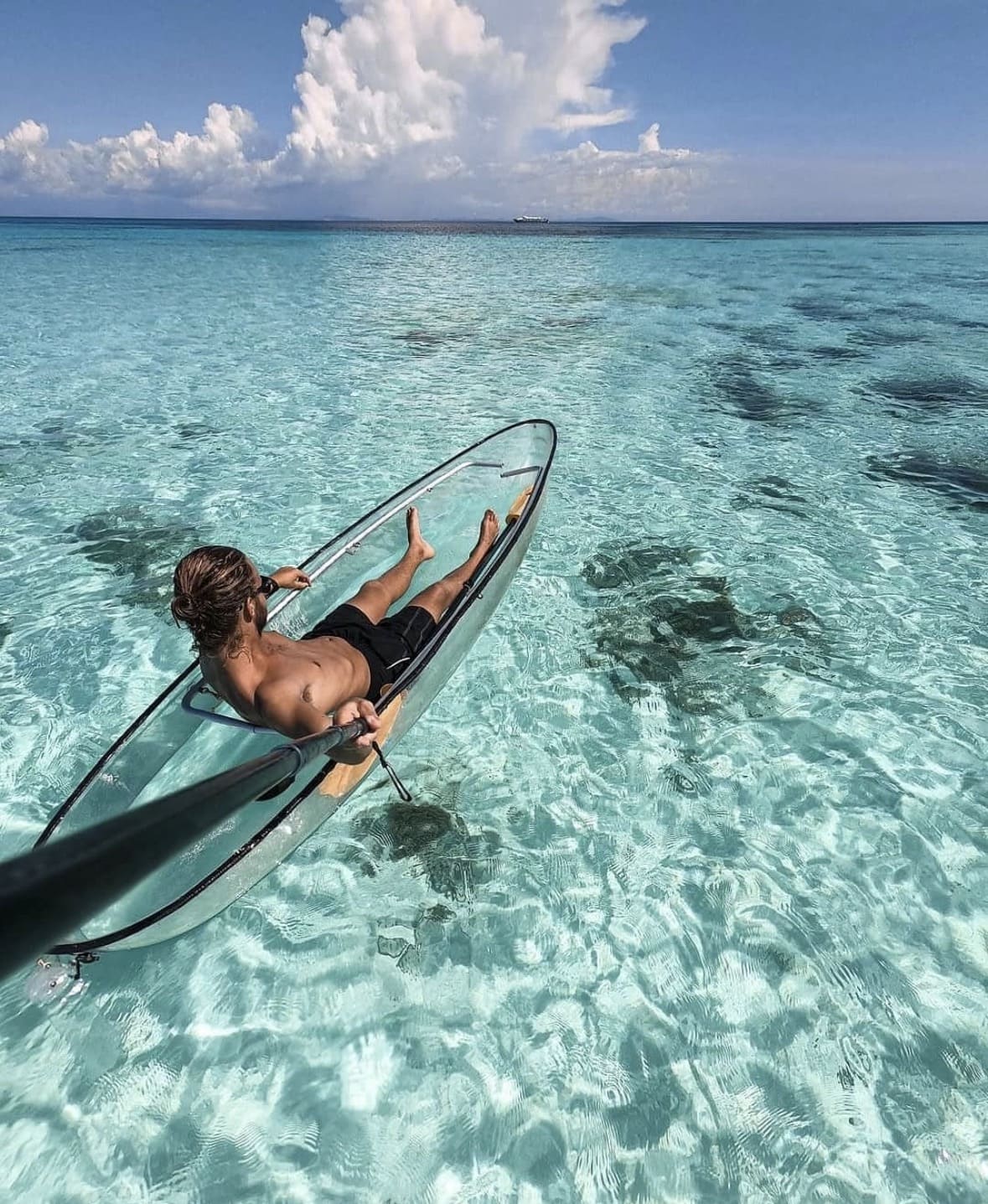
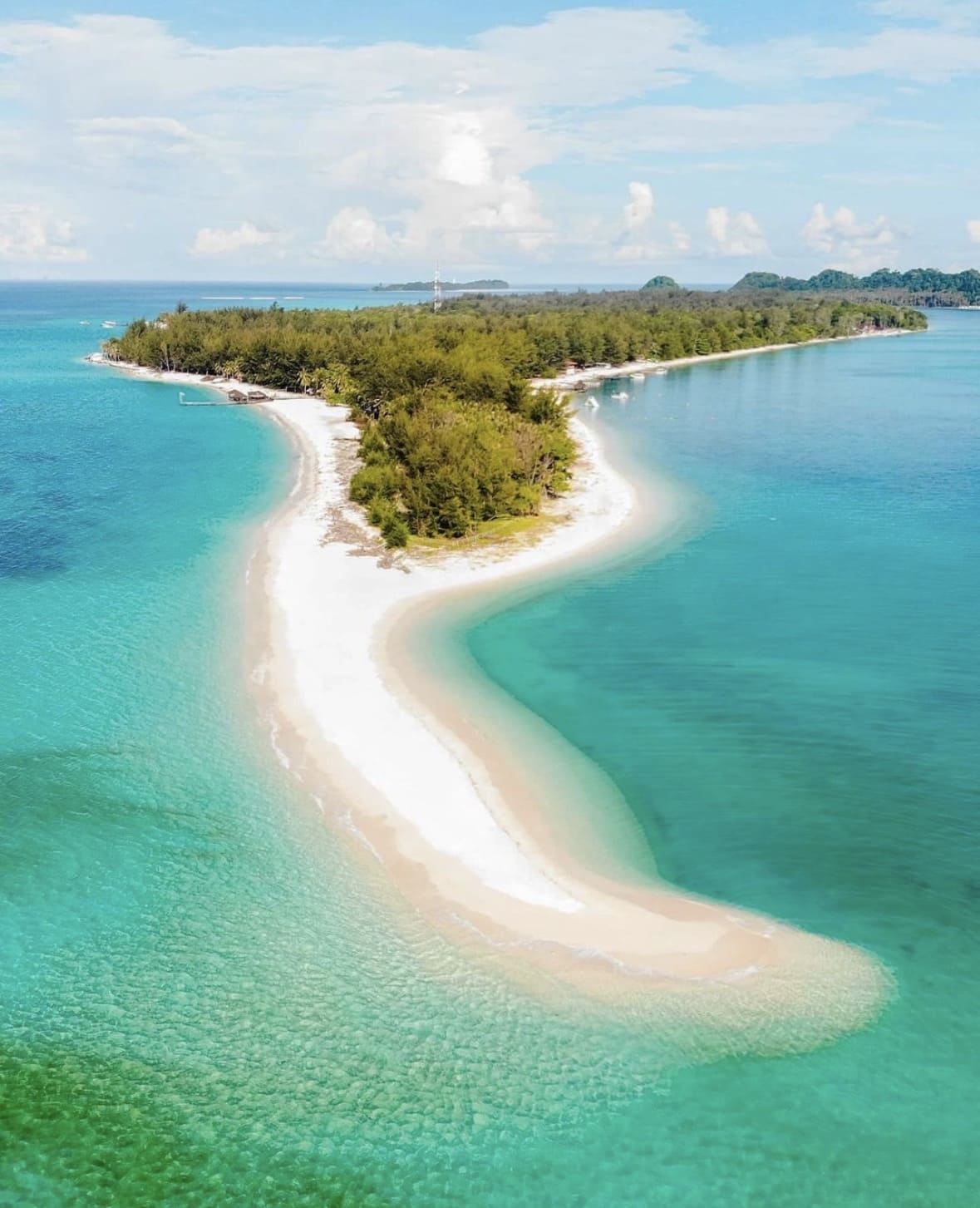
Transparent kayaking and SUP are available during your free time on the island. The transparent-hulled kayaks allow you to see the reef directly below as you paddle — the underwater world visible through the clear bottom, fish darting beneath you in the shallow turquoise lagoon. Paddle around the crescent sandbar at low tide when the water is at its most impossibly clear, and you will genuinely feel as though you are floating above an aquarium.
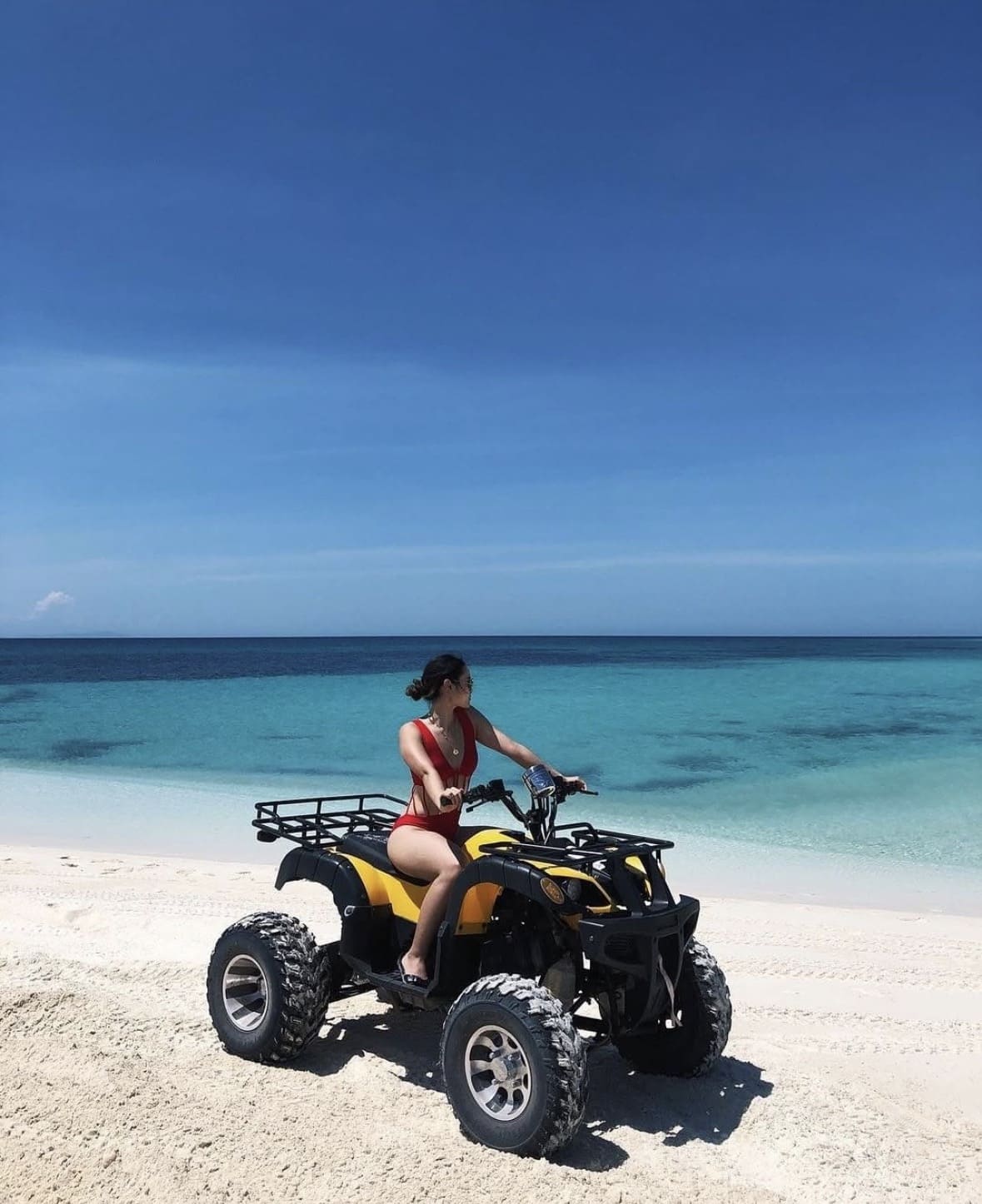
ATV beach riding is available at certain resorts for those who want a different kind of adrenaline from their Mantanani Island activities. Riding a quad bike along the white sand with the South China Sea stretching out ahead and Mount Kinabalu visible in the distance is genuinely spectacular.
Birdwatching rewards early risers generously. The Mantanani Scops Owl is entirely endemic to these islands — found nowhere else on Earth — and is best spotted at dawn and dusk along the forested trails that cross the interior of Mantanani Besar. Frigatebirds circle overhead constantly, Nicobar pigeons visit from the mainland seasonally, and Lungisan Island hosts a significant nesting colony of Germain's swiftlets. For serious birdwatchers, Mantanani Island is a destination in its own right.
Sunset watching and night fishing round out the Mantanani Island activities for those staying overnight. The sunsets from Siring Bukit village on the north side of Mantanani Besar are among the most spectacular in Sabah — the sky turns deep crimson over the South China Sea with Mount Kinabalu silhouetted in the distance. Night fishing from the pier under a full moon, listening to the sound of the ocean with bioluminescent plankton occasionally lighting up the water, is an experience that genuinely stays with you.
These insider tips come from experienced Mantanani Island travellers and will make your Mantanani Island day trip significantly more enjoyable.
Found everything you need? Book your Mantanani Island snorkeling day trip and experience Borneo's Mermaid Island for yourself.
Book NowReal Experiences
Honest reviews inspired by real visitor accounts from Reddit, TripAdvisor, and travel blogs about the Mantanani Island snorkeling day trip experience.
"The snorkeling was absolutely breathtaking. We were taken to two different reef spots and the visibility was incredible — I have snorkelled in Thailand and Bali and Mantanani Island was better than both. The guide spotted a sea turtle on our second session and signalled everyone immediately. Easily the highlight of our entire Sabah trip."
"We did the Mantanani Island day trip combined with the Kawa Kawa River Cruise and fireflies in the evening — an absolutely perfect day from start to finish. The island is stunning, the water is impossibly clear, and the buffet lunch was genuinely delicious. Our guide was knowledgeable, patient, and fantastic throughout."
"I was nervous as a first-time snorkeller but the guides were patient, encouraging, and always nearby. Life vests were available and nobody made me feel uncomfortable. The clownfish in the anemones were just like Finding Nemo — my kids could not believe it. We will definitely come back for a full Mantanani Island diving trip."
"The boat ride is rough on choppy days — come prepared with seasickness tablets, it is worth it. The island itself is like stepping into a screensaver. White sand, turquoise water, friendly local families. We used the transparent kayak and could see the reef below as we paddled. A genuinely magical experience."
"As someone who has dived the Great Barrier Reef and the Maldives, I was genuinely impressed by the health of the Mantanani Island reef ecosystem. We saw a sea turtle on the first snorkeling session, a blue-spotted ray on the second, and the coral gardens around Mantanani Kecil are some of the most pristine I have ever encountered."
"Far fewer tourists than the KK islands, far better marine life. The Mantanani Island snorkeling guide was knowledgeable about every species we encountered. The sunset from the beach on the return journey was something I will never forget. If you are in Sabah choosing between the city islands and Mantanani Island — choose Mantanani."
Mantanani vs KK Islands
One of the most common questions from travellers planning a Sabah trip — is Mantanani Island worth the extra journey compared to the islands near Kota Kinabalu? Here is an honest, side-by-side comparison.
| Category | Mantanani Island | KK Islands (TARP) |
|---|---|---|
| Travel time from KK | ~2.5 hours each way | ~15–30 min boat from KK |
| Reef quality | Exceptional ✓✓ | Good, some degradation |
| Underwater visibility | 15–25 metres ✓✓ | 5–15 metres |
| Crowd level | Low — uncrowded ✓✓ | High, especially weekends |
| Sea turtle sightings | Regular ✓✓ | Occasional |
| Dugong sightings | Possible (rare) ✓ | Not present |
| Dive sites | 20+ incl. WWII wrecks ✓✓ | 10–15 sites |
| Beach quality | Pristine white sand ✓✓ | Good but busier |
| Authenticity | Real fishing community ✓✓ | Mostly tourist infrastructure |
| Best for | Serious snorkelers, divers, nature lovers | Quick beach day, families with small kids |
| Verdict | Worth the Journey | Convenient but Lesser |
Our honest take: If you have one day for snorkeling in Sabah and you do not mind the 2.5-hour journey, Mantanani Island is not even a close call. The reef quality, visibility, and marine life density are in a different league from the KK islands. The KK islands (Manukan, Sapi, Mamutik) are excellent for a quick half-day — but if snorkeling is the reason you came to Sabah, Mantanani Island is where you need to be.
Explore More of Sabah
Make the most of your time in Sabah by combining your Mantanani Island day trip with these incredible nearby experiences. Sabah is one of the most biodiverse regions on Earth — the island is just the beginning.
Most visitors to Mantanani Island base themselves in Kota Kinabalu for their Sabah trip, using the city as a hub for day trips in multiple directions. The Mantanani Island snorkeling tour is the natural centrepiece, but the region around Kota Belud and the drive to the jetty puts you within easy reach of some of Sabah's most rewarding experiences. With a little planning, you can combine your Mantanani Island package with one or two of the following on the same day or adjacent days.
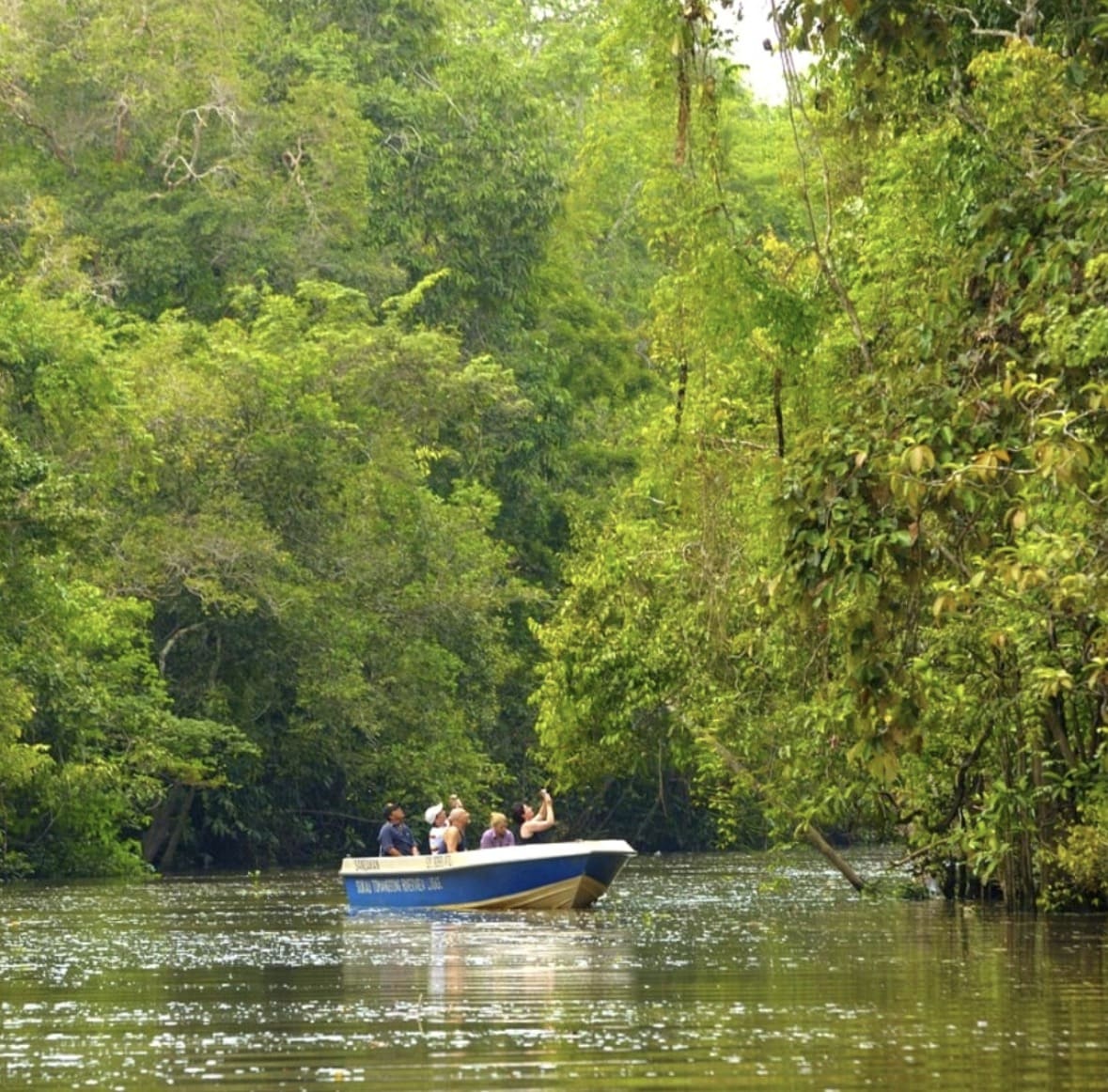
The most popular evening addition to any Mantanani Island package. Depart the jetty in the late afternoon and cruise through dense mangrove forest as proboscis monkeys and silver leaf monkeys gather in the trees at dusk. After sunset, the riverbanks erupt with fireflies — thousands of them synchronising their pulses in the darkness. It is one of the most otherworldly natural spectacles in Borneo, and it costs almost nothing to add to your day.
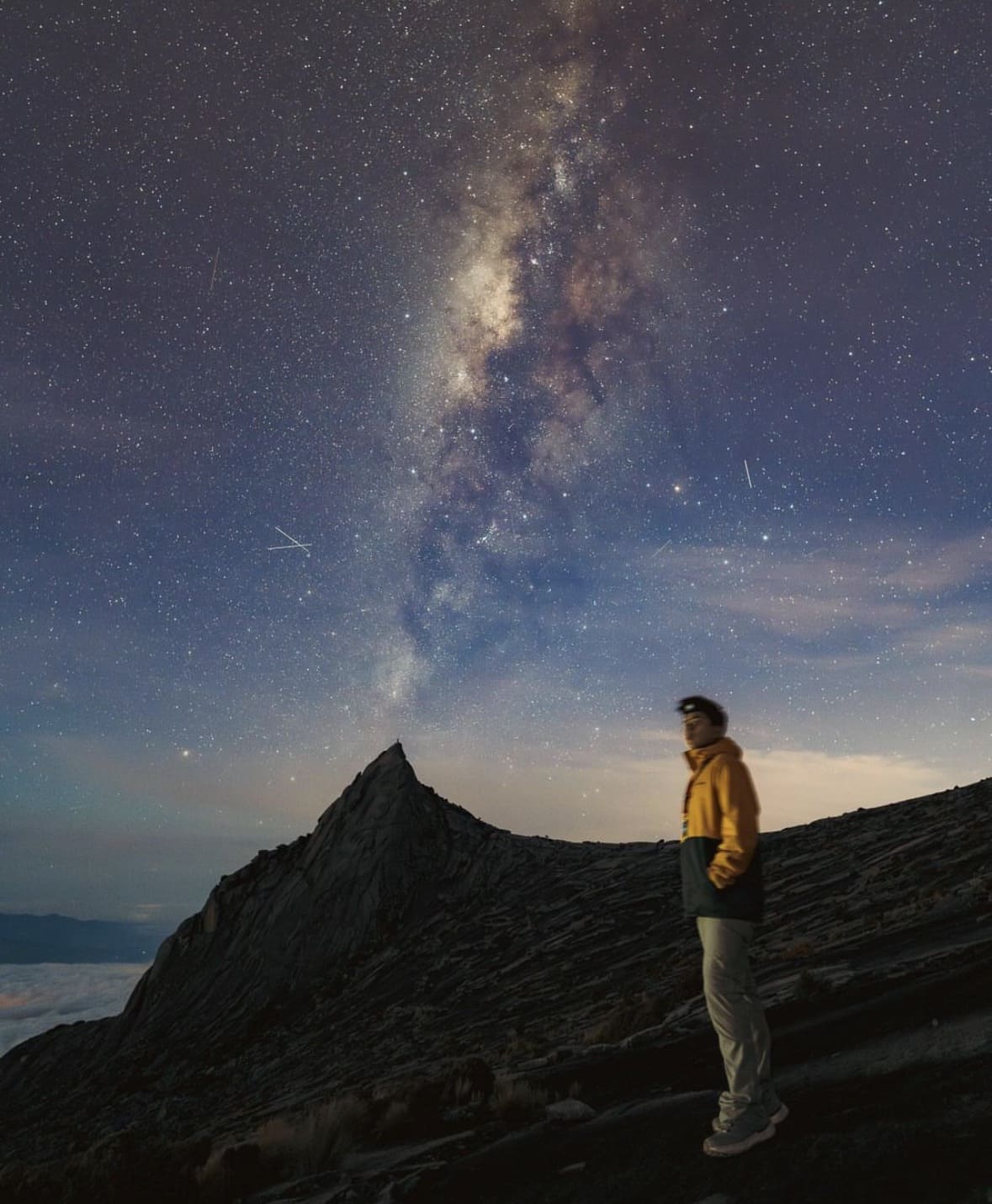
Southeast Asia's highest peak at 4,095 metres is visible from Mantanani Island on clear mornings — a dramatic granite silhouette on the eastern horizon as you drift above the coral. The two-day summit climb is one of the great trekking experiences in Asia. Permits must be booked well in advance, especially during peak season. Even if you do not summit, the Kinabalu National Park is a UNESCO World Heritage Site worth spending a day in.

The legendary Sunday Tamu market of the Bajau people is one of the most authentic local experiences in Sabah. Vendors gather from across the district to sell fresh seafood straight from the boat, tropical fruits, handmade parangs (traditional Bajau machetes), batik textiles, and local street food. The annual Tamu Besar in October adds Bajau horsemen in traditional costume. Stop here on your way back from the jetty for an unforgettable cultural detour.
A tranquil cove north of Kota Belud that few tourists ever visit, Usukan offers outstanding macro diving among dramatic granite boulders, with seasonal whale shark aggregations between April and June drawing divers from across Sabah. For those who want to extend their Mantanani Island diving experience into different terrain, Usukan Cove is a genuinely rewarding add-on that can be visited on the drive back to Kota Kinabalu.
The Story Behind the Island
The name Mantanani Island carries centuries of history within its syllables. According to Ubian oral tradition, the word is a compound of two ancient words: manta, meaning "blanket," and Nani, the name of a legendary warrior who fought enemies to recover a stolen blanket. The islands bear his name as a tribute to courage — a fitting origin story for a place with such a fiercely beautiful and elemental character.
For centuries before the first tourist arrived, the Mantanani Islands were home exclusively to the Ubian people — a community of Bajau sea gypsies whose lives were entirely shaped by the rhythms of the ocean. The shallow seagrass beds surrounding the island provided perfect feeding grounds for dugongs, and these gentle sea cows became so central to island life that local fishermen began weaving stories around them. The mermaid legends of Borneo have their roots here.
The islands have approximately 1,000 residents today, almost entirely from the Bajau ethnic group — one of the most accomplished maritime communities in Southeast Asia. The call to prayer drifting across the lagoon at dawn and dusk adds another layer of beauty to an already extraordinary place. Most families still rely on fishing, net-making, and boat-building as their primary livelihood.
Perhaps the most poignant aspect of Mantanani Island's history is the story of its dugongs. For generations they were a daily presence in the island's waters — so common the Ubian people wove them into song and identity. As boat traffic increased, the population declined sharply. Today sightings are rare and treasured. The dugong remains the living symbol of everything Mantanani Island is fighting to protect.
During World War II three Japanese naval vessels were sunk by Allied forces near Mantanani Island. The Usukan Wreck, Rice Bowl Wreck, and Upside-Down Wreck are now extraordinary dive sites colonised by marine life. The island is also home to the Mantanani Scops Owl — a nocturnal bird found nowhere else on Earth — making it a pilgrimage site for birdwatchers from around the world.
Common Questions
Real questions from travellers planning their Mantanani Island snorkeling day trip — answered honestly and in full.